
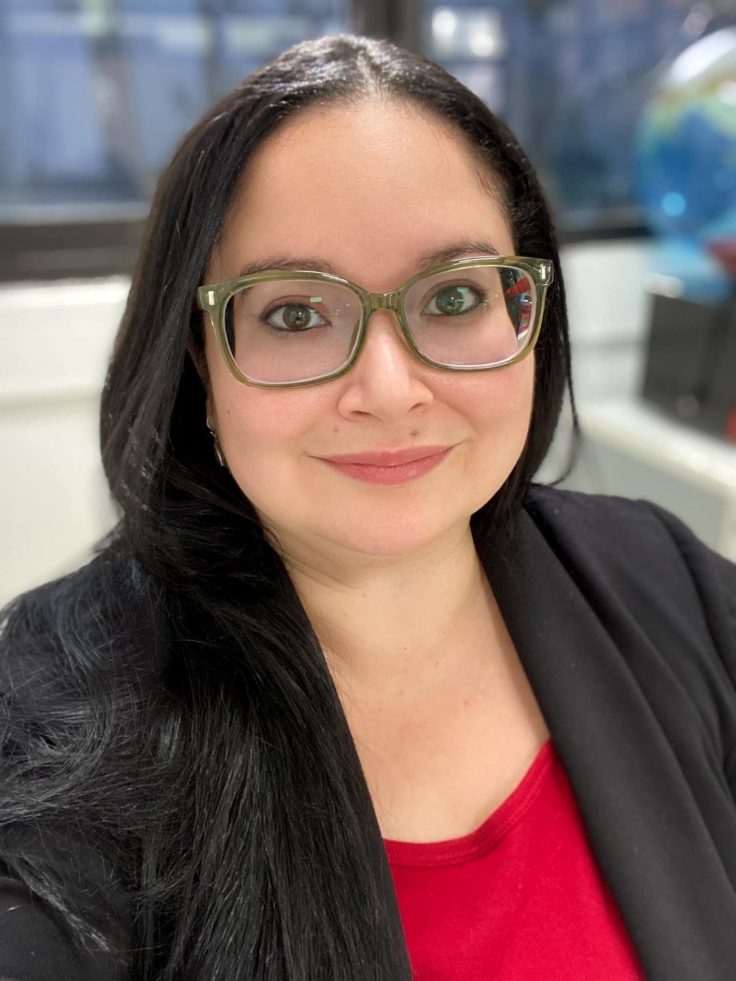
Prof. Diverís Vega, English Specialist
Learning a new language can be both exciting and challenging. To succeed, it is important to have a personalized language learning plan tailored to your goals, current proficiency, and learning style. Here is a simplified guide to help you get started.
1. Define Your Goals
Start by identifying why you want to learn the language. Are you preparing for an exam, traveling, or improving your career prospects? Setting clear goals will help focus your efforts.
- Short-term goals: Learn basic phrases, master essential vocabulary, or hold simple conversations.
- Long-term goals: Achieve fluency, pass a language exam, or read books in the target language.
Write down your goals to stay motivated and on track.
2. Assess Your Current Level
Understanding your current proficiency is crucial. Use online tests or self-assessment tools to gauge your progress. This will help you set realistic goals and choose appropriate learning materials. If you are a student or member of the Universidad del Sagrado Corazón community, you can also consult a Language Specialist at our Language Lab.
3. Select the Right Resources
Choose resources that match your goals and learning style. Consider a mix of textbooks, language apps, online courses, and media in the target language. A variety of materials keeps learning engaging.
4. Create a Consistent Schedule
Consistency is key. Aim for daily practice, even if it’s just 10-20 minutes. Set weekly goals and monthly milestones to keep progressing. Regular review sessions are also crucial for reinforcing what you have learned.
5. Integrate Language into Daily Life
Immerse yourself in the language by labeling household items, watching shows or movies in that language, practicing with native speakers, or changing your device’s language settings. The more you interact with the language daily, the quicker you will improve.
6. Track Progress and Adjust
Regularly evaluate your progress. If a method is not working for you, adjust your plan. Use language tests or conversations with native speakers to gauge improvement and be flexible with your goals as needed.
7. Stay Motivated & Be Patient
Language learning is a long journey, so celebrate small victories along the way. Whether it is understanding a new word or having a smooth conversation, these moments will keep you motivated.
Conclusion
A personalized language learning plan, grounded in clear goals, consistent practice, and the right resources, will lead you to success. Stay adaptable, enjoy the process, and watch your language skills grow!
Remember, it is about the journey, not the destination.
© image: freepik.com




 meta[lenguaje]
Deja un comentario